


A NEW NIGERIA
You want a better Nigeria, you want a better Africa, but are you ready to do what it truly takes to achieve it? One cannot solve a problem one does not understand. You cannot fix a land you do not know. You cannot build a future if you are disconnected from the very foundation upon which it stands. If you want a better Nigeria, ask yourself why. If you want a better Africa, ask yourself why. And if you want a better life, ask yourself why. Do you know exactly what you are fighting for? These are significant questions to ask ourselves as a people, as a society. And more importantly, for whom do we want this better life?
Giant of Africa (God Bless Nigeria)- AOA

The Nigerian experience today is of a significant study. A kind to learn and understand, an unavoidable challenge to face and overcome. It has become national responsibility, not only Nigerians themselves, but to the rest of the world.
Nigeria as we know it today is not an organic creation, it is a political construct, shaped during the Berlin Conference, within the broader context of the Scramble for Africa. A moment in history where African lands were partitioned, not with cultural understanding, but with economic intentions and significant memorial erasures. Borders were drawn not to unite people, but to manage resources, labor, and control.
This was not just geography being divided, it was identity and ancestry. The system that emerged was not simply colonial, it was structural. A design rooted in extraction, sustained by division, and maintained through the gradual erosion of indigenous knowledge systems, governance structures, and collective ancestral memory. What followed was not unity, it was forced coexistence. A struggle for power and dominance, a subtle identity crisis.
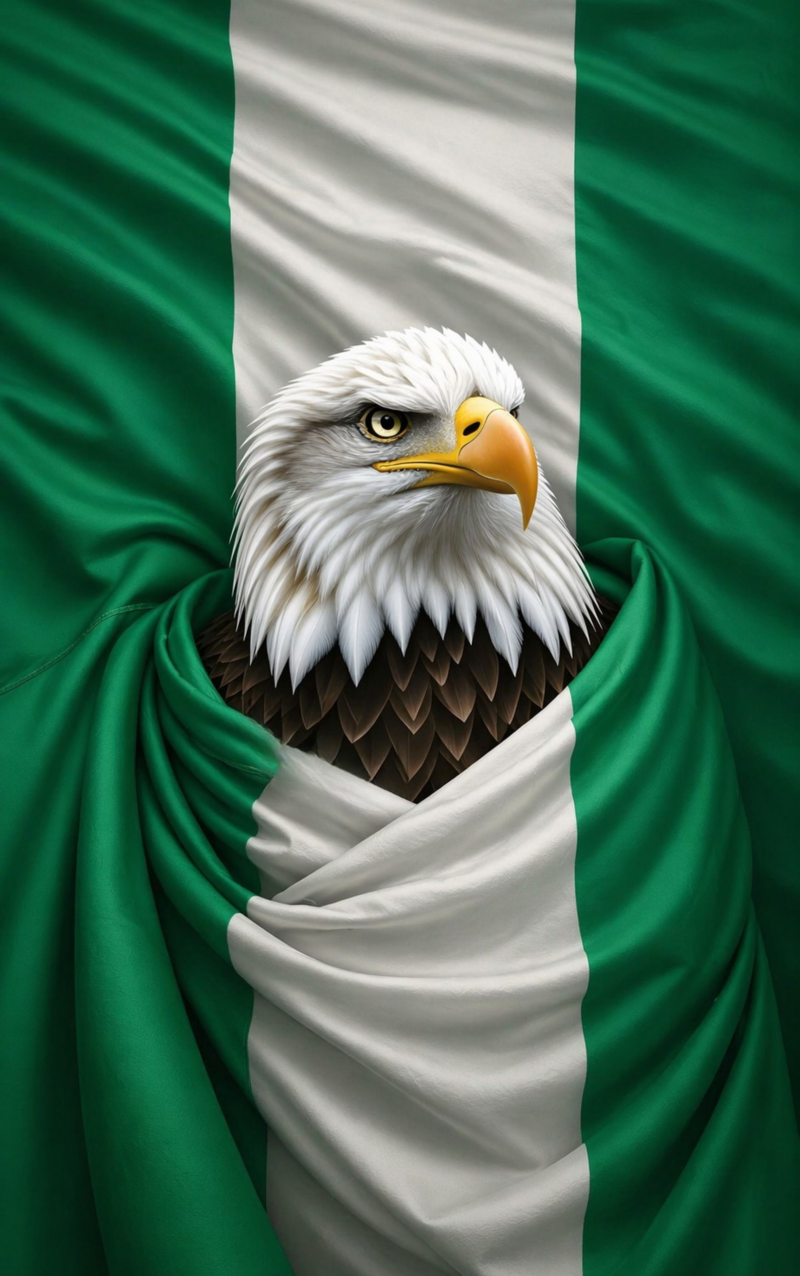
The 1914 Amalgamation of Nigeria did not merge a people, it merged administrative regions of people with different needs who haven't learned to be in agreement. It placed diverse nations, each with their own histories, languages, cosmologies, and systems of governance, into a single political container and called it a "country". But a name does not create unity, and time alone does not heal disconnection and historical trauma.
The consequences of this foundation echo into the present. Political instability, ethnic tension, distrust in governance, and cycles of conflict are not random, they are symptoms. Symptoms of a structure built without alignment to the people it governs.
When we speak of Nigeria, we must also speak of the nations within it, the Yoruba nation, the Igbo nation, the Hausa and the Fulani nation as many others, whose identities existed long before colonial borders were imposed. For example, the Yoruba homeland itself was divided across what are now Nigeria, Benin, and Togo. This was not merely a division of land, it was a fragmentation of cultural continuity.

To understand the present, you must study the fracture. Because what we call conflict today may actually be misalignment. What we call instability may actually be unresolved history. What we call tribalism might be a misunderstanding of one another. And what we call underdevelopment may be the result of systems that were never designed for indigenous prosperity. So again, what does a “better Nigeria” mean? What does it mean to the Nigerians themselves? Does it mean improving the current structure? Or does it mean rethinking the very foundation entirely? One thing is certain, Nigerians cannot sustain more conflicts and war for too long. And for any change to be effective, Nigerians must be able to truthfully analyze the elements contributing to their reality, and not only be able to talk about it, but also be brave enough to decide it is time to be accountable and responsible by coming up with progressive solutions that can ensure the survival of the Nigerian people.
This is where the work begins, not with slogans, not with temporary reforms, but with a deep, collective re-education and social re-engineering of consciousness. It begins with a return to knowing, a reconstruction of identity not defined by imposed borders, but by cultural truth and historical awareness.
Because until people understand who they are and learn to respect one another, they will continue to operate within systems that define them. And until that changes, the question is not whether Nigeria can be better, the question is whether its people are ready to truly understand their own lives.
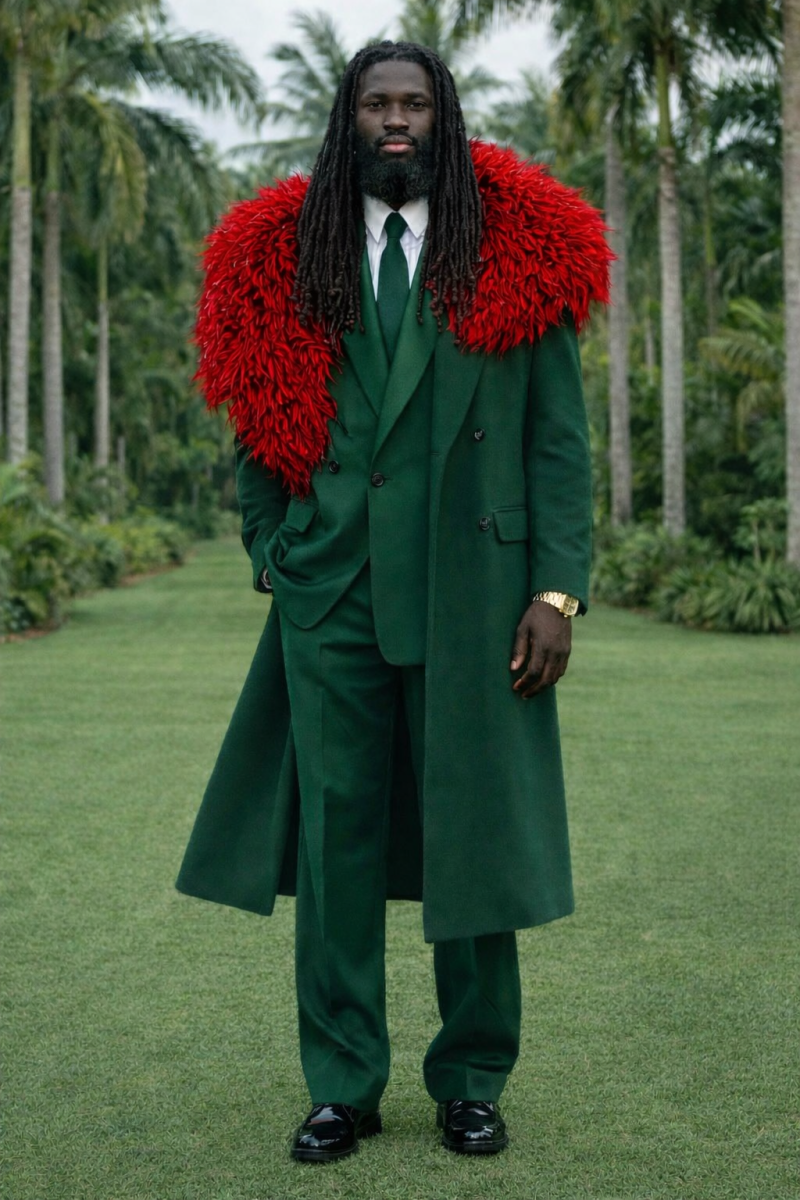
Nigeria is a country of over 300 million people, largely made up of the Hausa, Fulani, Yoruba, Igbo, Edo, and many others. These are different nations brought together as one country. Nigeria is a country of hundreds of languages and linguistic groups that became independent on October 1, 1960, marking the end of direct colonial rule. It is important to recognize that it was created on a flawed foundation, one that enabled corruption and made it structurally vulnerable to instability and failure.
By 1967, Nigeria entered its first civil war, involving external interests and internal divisions. The conflict emerged from political, economic, cultural, and religious tensions, particularly between Northern Hausa-Fulani groups and Southern populations, including many Igbo and other communities living in the North. This period included widespread violence and massacres, eventually leading to war and secession of Biafra from Nigeria.
The conflict resulted in the loss of millions of lives, including many Nigerians and Biafrans, as well as others across different regions. Could this have been avoided? Possibly. But those responsible for maintaining stability underestimated the severity of the situation. Ignorance and arrogance carry consequences, and in this case, the cost was devastating.

What have we learned from this war? Ignorance can lead to arrogance, and arrogance can lead to the destruction of one’s world. We must begin to learn from the mistakes of our past, from those made by our elders, our leaders, and even our warriors and lovers of freedom. We must learn to recognize our true challenges as a society and respond with clarity. It is necessary that we move away from ignorance and learn to cultivate the new consciousness needed, leaving behind what no longer serves us in order to build something sustainable.
We must strengthen our families, protect our forests, our animals, and our rivers, and relearn how to grow our own food and develop our own medicine. We must reconnect with our environment, our communities, and each other. We must understand our place in the world and accept our responsibilities to one another in alignment, starting with learning to respect ourselves and one another. These are the sacrifices required for the generations to come.
A new Nigeria must emerge, a “United Nations of Nigeria.”

All Nigerians would be required to hold two forms of identification and documentation. The United Nations of Nigeria Passport will serve as proof of identity, alongside one’s tribal affiliation, National Identification Number(NIN), and one's voting eligibility and jurisdictions.
This document will not be used for travel purposes for all citizens traveling out of Nigeria, but strictly for identification, voting, and inter-tribal and regional travel within Nigeria. However, it will serve as an official diplomatic travel document for government officials, as representatives of the alliance.

All registered tribal nations within the country would be required to register their members and maintain tribal census databases. The United People of the Yoruba Passport will serve as a form of tribal legitimacy and a travel document, functioning as a two-way authentication system with accurate identity representation outside of Nigeria. It would also be used for regional voting, not for federal. These tribal nations would operate systems under the Nigerian alliance to maintain and support their people outside of Nigeria, thereby protecting Nigerian diplomatic relations and responsibilities. All penalties would be directed at the relevant tribal nations within the country, not the country itself.
This document will not be used for travel purposes for all citizens of Nigeria, but only for Yoruba tribal members across all Yoruba-affiliated nations and countries.

THE NEW NIGERIANS


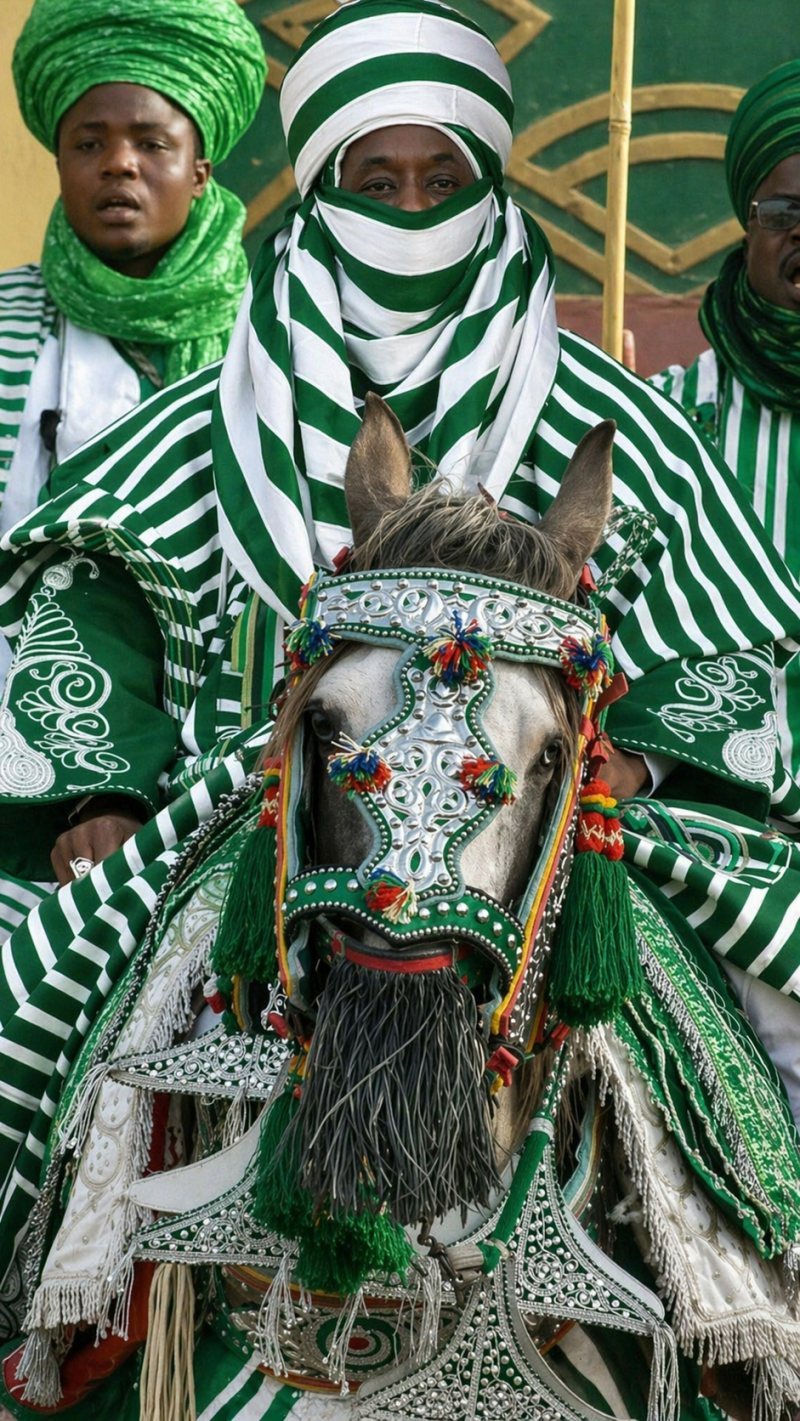
UNITY FESTIVALS & HERITAGE GROUNDS

NATIONAL FESTIVALS (IFA/FA/AFA, ETC)
THE NATIONAL PALACE

THE KING & QUEEN OF NIGERIA
The National Palace will be a palace where all Nigerian kings represent the nation culturally on a rotational system. Each administration will host a new king in the National Palace alongside other kings with their administrative offices and security officials. The National Palace will represent all Nigerians and will be honored through national festivals and events at the unity/heritage city, promoting unity and love among the Nigerian people.
GAMES

THE NATIONAL LEAGUE
National games and sporting events such as football leagues, chess, wrestling, and basketball will be designed and funded by the United Nations of Nigeria for all its people. These tournaments will be supported with awards and broadcast nationally and internationally, and will include competitions for all nations of Black Africa and in the diaspora interested in the United Nations of Nigeria’s sports game leagues.

THE NATIONAL THEATER